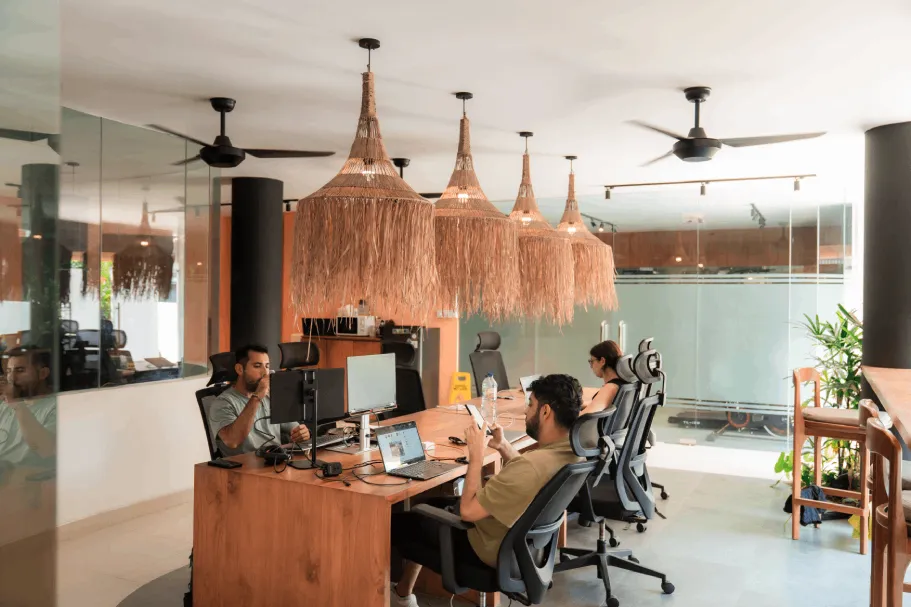
Bali has become one of the world's major hubs for remote workers and digital nomads, consistently ranking among the top destinations in Southeast Asia regions. The ecosystem ranges from boutique studios to large-scale coworking spaces, all built around working online.
One of the main draws is the warmth of the locals and a thriving expat community that looks out for each other.
If you're planning to work remotely from Bali, here's what you need to prepare.
How to Prepare for Remote Work in Bali Legally
1. Get the Right Visa
To work legally in Indonesia, apply for the Remote Worker Visa (E33G). Launched in 2023, it's for remote workers employed by companies outside Indonesia (working for an Indonesian company is not permitted).
To qualify, you'll need to show a minimum income of USD 60,000 per year (about USD 5,000 per month).
Note: Visa rules change often. Always check evisa.imigrasi.go.id for the latest requirements.
2. Paying the Taxes
If you hold a Remote Worker Visa or stay in Indonesia for more than 183 days, you're generally treated as a tax resident. It means you'll need a Tax Identification Number (NPWP) and must file annual tax returns.
Indonesia has tax treaties with Australia, the US, the Netherlands, Singapore, and other countries, so you may be able to avoid double taxation.
Why Remote Workers Choose Bali
Bali is one of Southeast Asia's biggest digital nomad hubs. It’s estimated that there are more than 3,000 foreign digital nomads living on this island (Based on the number of visas issued each year).
Between coworking spaces, local events, and interest-based groups, it's easy to meet like-minded people. A strong community with an entrepreneurial spirit and warm welcoming locals keeps drawing more remote workers in.
1. Steady Internet Connection
Thanks to its large remote-work population, much of Bali has solid internet infrastructure. Between WiFi (it's approximately 100 mbps) and affordable SIM cards with data packages, staying connected is rarely a problem.
2. Easy to Find 24/7 Coworking Spaces
Bali runs on WITA (UTC+8), and that time gap can be significant if your clients are in Europe or North America. Many remote workers adjust their hours early mornings or late evenings to overlap with other time zones.
Fortunately, you can easily find plenty of coworking spaces that are open 24/7. So, you can catch up any progress of your work and get better productivity.
3. Delicious Food, from Warungs to Fine Dining
Food in Bali covers every budget. At a local warung, a meal costs USD 1–5 per person. Do you prefer fine dining, western food, organic or healthy eating, or vegan restaurants? No worries, Bali has all of it.
4. Enjoy Leisure and Hobby Beyond Work
When the laptop closes, Bali opens! That's a fun time to do any activities that spark your life and mental health. You can try yoga, surfing, gyms, ethnic handicrafts, or simply enjoying the coastline. There are experiences here you won't find anywhere else.
5. Affordable Cost of Living
The cost of living in Bali varies widely depending on your lifestyle and where you settle. Living like a local is estimated to roughly cost about Rp3–5 million (about USD 200–350) per month.
Otherside, a modern expat lifestyle can easily push past Rp20 million (about USD 1,300) per month.
6. A Thriving International Community-Based Network
Moving to a country far from home can be daunting, but Bali offers a thriving international community of digital nomads. This community-based network serves as a vital hub for sharing local information, professional networking, and building meaningful friendships.
If you can find a ready-made support system of like-minded individuals, you’ll experience Bali more than a place to work. It will transform your life from a solitary journey into a highly enjoyable and connected adventure.
The Best Places to Work Remotely in Bali
Canggu
It’s probably the unofficial hub with a very diverse mix of people from around the world. Mostly with high energy vibes, packed with nomads, yoga studios, and full of café-coworking hybrids.
The community here is the island's most established, such as: running clubs, fitness groups, and business meetups..
Best for: any remote workers who are young, active, and social butterflies who live to get connected with community and energy tap on.
Ubud
Ubud is known for its spiritual culture. So the vibe is quieter and nature-focused, surrounded by rice terraces and greeneries.
It's a great place for you who love to embrace mindfulness and wellness. A place that you can enjoy and meditate in a calm environment.
Best for: writers, editors, researchers, developers, and artisans, anyone whose work needs calm and deep focus.
Uluwatu
Dramatic ocean views, cliffs, coastal and beaches, with a beautifully warm sea vibe. It’s a bit quieter than Canggu.
Best for: remote workers or digital nomads who also surf, or anyone seeking a balance of luxury, nature, and surf lifestyle.
Summary
Bali is more than a beautiful island. It's a highly functional place to work remotely. With the right visa, a good internet plan, and a supportive community, you really can blend productivity with paradise.
Ready to make Bali your remote working basecamp? Stop stressing over spotty Wi-Fi. At Sokkool Coliving & Coworking in the heart of Canggu, you get ultra-fast internet, 24/7 workspace access, comfortable seating ideal, premium ACs, meeting rooms, quiet focus room, and soundproof private rooms designed for digital nomads.
Experience a world of connection, joy, and inspiration every day at Sokkool. Become part of a dynamic global community. Secure your spot at Sokkool today and start your journey!